Long-distance relationships: how to stay connected every day
Long distance is more than waiting. How to stay close every day: call routines, small shared moments, time zones, text arguments and a plan to meet.
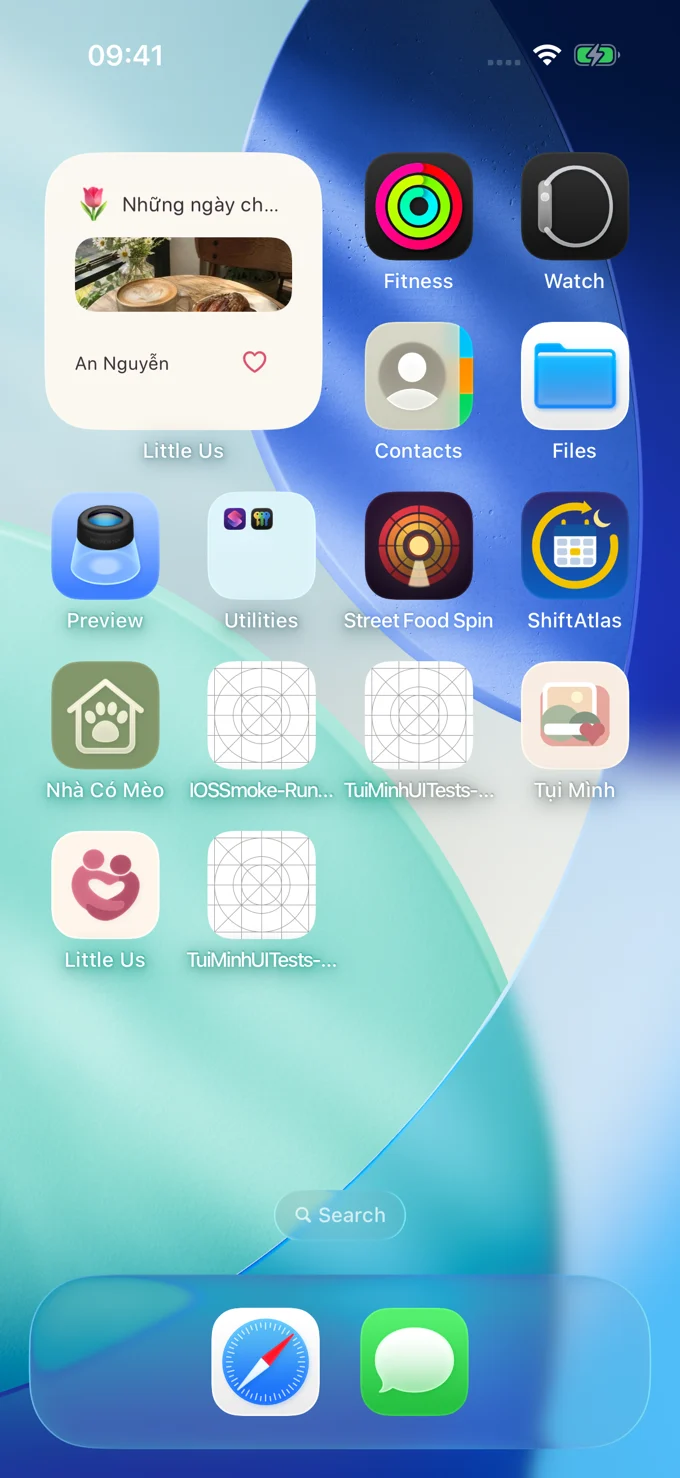
The hardest part of a long-distance relationship is often not the distance itself. It is the feeling that you are living two parallel lives that rarely touch. Staying connected comes down to small, regular points of contact every day, plus a clear plan for when you will see each other next. Here are concrete things you can start this week.
What is a long-distance relationship, and what makes it hard?
A long-distance relationship is one where partners live in different cities or countries and mostly stay in touch by phone and internet. One of you might be studying abroad, working in another city, or doing long rotations away from home.
The usual struggles: missing out on the small everyday stuff, misunderstandings over text, mismatched schedules, and not knowing when you will meet again. Each section below tackles one of these.
Set a regular call schedule, but do not make it a chore
A regular call schedule gives you both something to look forward to, and nobody has to guess whether the other person is free. Agree on a few slots each week for longer video calls. On other days, a short call or a voice message is enough.
A few ways to keep it from becoming pressure:
- Quality over length. Fifteen focused minutes beat two hours of half-listening while scrolling.
- Allow rescheduling. If you are busy, say so early and propose a specific new time instead of going quiet.
- Call without needing to talk. Sometimes leave the video on while you cook, work or read. Just seeing each other is enough.
- Have a small ritual. A goodnight phrase that only the two of you understand, for example.
Share small moments, not just big news
What makes a distant partner feel close is knowing the little things in each other's day, not only the important updates. The morning coffee, the neighbor's cat, a colleague's homemade snacks, the sky when you finish work. These help the other person picture what your day actually looks like.
Some habits to try:
- Send one "what I'm doing right now" photo a day. It does not have to be pretty.
- Pick a weekly theme to photograph: lunch, shoes, the view from your window.
- Send a few seconds of voice instead of typing when you are on the move.
- Watch the same film with a countdown so you press play together, or play a browser game together.
For more ideas, 30 small things to do together has a whole section for long-distance couples.
How do you handle time zones?
With a time difference, the rule is to find one fixed shared window and respect each other's sleep. Do not let one person always be the one staying up late or waking early.
- Always see their time. Add their city to the Clock app on your phone.
- Pick a shared window. Often early morning on one side and evening on the other. Take turns being the one who adjusts.
- Leave messages for when they wake up. A good-morning note waiting for them says "I'm thinking of you" without waking anyone.
- Watch for daylight saving changes. Some countries change their clocks seasonally, so the gap between you can shift during the year.
Arguing over text: how do you keep it from escalating?
When an argument starts over text, the safest move is to stop typing and arrange to talk by voice. Text loses tone and facial expression, so an ordinary sentence can easily read as cold.
- Reread before sending. If you are annoyed, wait a few minutes.
- Ask instead of assuming. "Did you mean that, or am I reading it wrong?" prevents a lot of misunderstandings.
- Move to a call. Suggest talking once you have both calmed down.
- Do not go silent without a word. If you need time, say so: "I need an hour to cool off, then let's talk."
- Avoid sorting it out late at night. Tiredness makes everything feel bigger.
People feel loved in different ways. Some need words, some need time together. The 5 love languages can help explain why the same gesture feels warm to one person and not quite enough to the other.
Have a clear plan to meet
A specific date on the calendar is what keeps long distance from wearing you down. Knowing you will meet in three months feels very different from "whenever we're free".
- Set the next visit before you say goodbye at this one.
- Start a small shared fund for tickets, if you are both comfortable with that.
- Write a list of things to do together when you meet, including ordinary things like grocery shopping and cooking.
- Talk about the long-term goal: when could you live in the same place? You do not need the answer now, but you should be thinking about it together.
A private corner for two on your phone
When you are apart, a space just for the two of you keeps small moments from getting lost among dozens of other group chats. TrioX Studios makes Little Us for exactly this. It is an iPhone app, available on the App Store.
- Private groups: create a group, invite your partner with a code, share photos and chat right under them.
- Home Screen widget: pick photos and messages to show on a widget, so your person is there every time you unlock your phone.
- More than a photo: add a mood, a message or a short voice note.
- Memory pages: collect moments into shared memory pages to look back on when you miss each other.
How to keep your memories as a couple has more habits for turning the days apart into stories worth telling.
Frequently asked questions
How much should long-distance couples text?
There is no universal amount. Enough is when both of you feel cared for without feeling monitored. Talk openly about what you each expect instead of guessing.
Is a big time difference hard to sustain?
It is harder, but manageable if you both plan for it and take turns compromising. What matters more is whether you share the same direction for the future.
How do I feel less jealous in a long-distance relationship?
Share your routine naturally, keep small promises, and name your insecurity out loud instead of quietly checking up. If the feeling persists and affects your daily life, talking to a counselor is a good option.